May 15, 2026
Managing heating and cooling costs is an essential aspect of maintaining a comfortable and financially sustainable home environment. With energy prices on the rise, homeowners are searching for effective strategies to reduce their bills while ensuring optimal indoor climate control. HVAC companies play a crucial role in this process by providing expert guidance, advanced technology options, and reliable maintenance services. By collaborating with HVAC professionals, homeowners can achieve significant energy efficiency improvements and cost savings.
Understanding Energy Efficiency
What is Energy Efficiency in HVAC Systems?
Energy efficiency in HVAC systems refers to the ability of these systems to provide the desired climate control while consuming as little energy as possible. This involves optimizing the performance of heating, ventilation, and air conditioning equipment to minimize energy waste. By designing systems that closely match the thermal dynamics of your home, HVAC companies can help reduce unnecessary energy expenditure. Energy-efficient systems often come with features such as programmable thermostats, variable speed motors, and high SEER ratings, which collectively enhance efficiency. By focusing on these systems, HVAC companies enable homeowners to maintain comfort without incurring high utility costs.
The Impact of Energy-Efficient Systems on Utility Bills
Energy-efficient HVAC systems have a profound impact on lowering utility bills by reducing the amount of energy used for heating and cooling. According to industry reports, upgrading to energy-efficient systems can lower a homeowner's utility bills by up to 20%. This is achieved by utilizing advanced technologies that consume less power and operate more efficiently than outdated systems. HVAC companies assist homeowners in selecting systems that are best tailored to their environment, further optimizing energy use. By investing in an energy-efficient HVAC system, homeowners can enjoy reduced costs and a smaller carbon footprint.
Common Misconceptions About Energy Efficiency
One common misconception about energy-efficient systems is that they are universally expensive and cost-prohibitive for the average homeowner. While initial costs can be higher, the long-term savings on energy bills often justify this initial investment. Another myth is that simple changes, such as adjusting the thermostat, cannot yield significant savings. However, professional HVAC companies demonstrate that small adjustments can lead to considerable energy reductions. Additionally, some homeowners believe that energy-efficient systems are not as effective in maintaining comfort, which is refuted by the advanced features offered in modern HVAC technology.
Proper HVAC System Maintenance
Why Regular Maintenance is Crucial
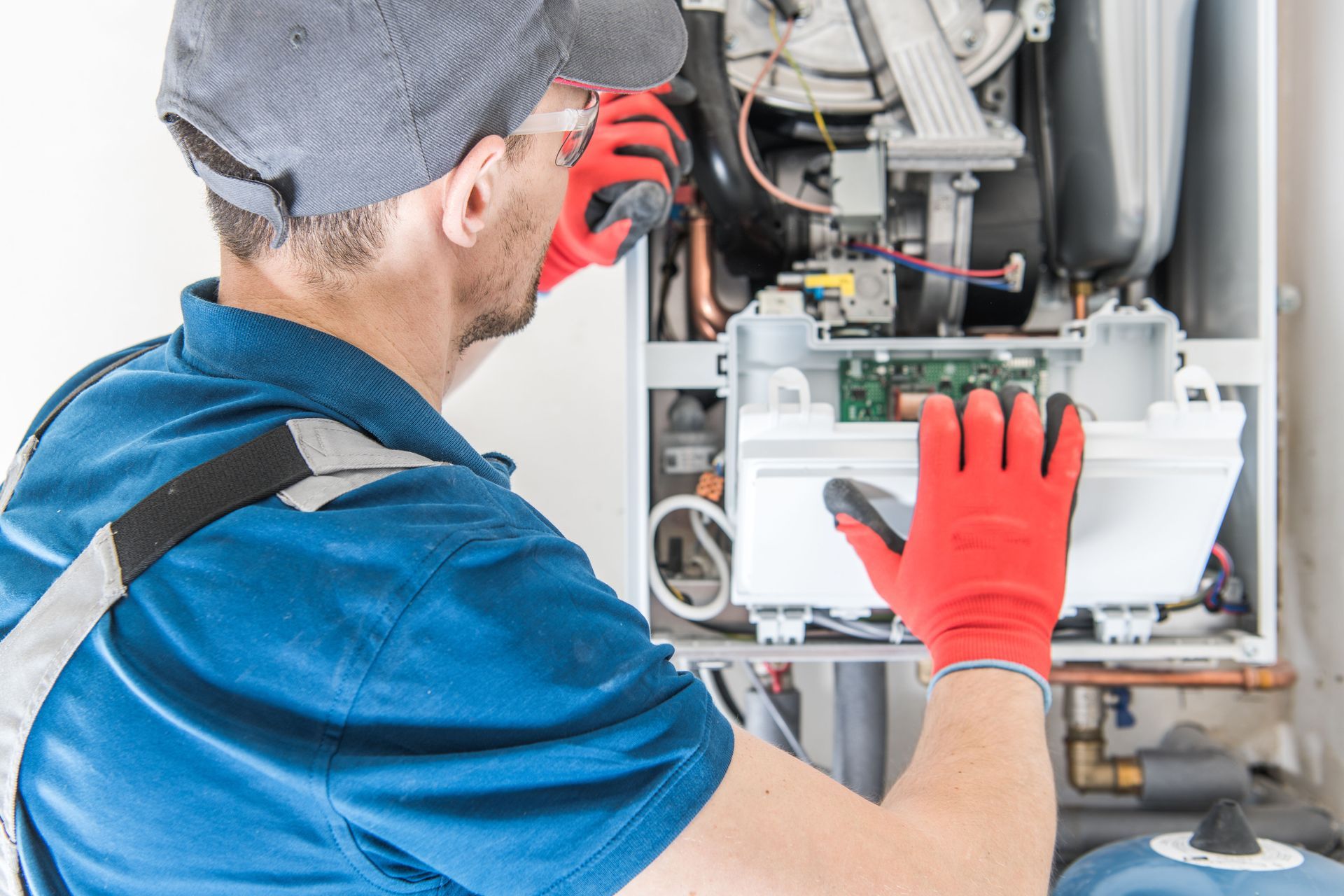
Regular maintenance of HVAC systems is essential for ensuring their longevity and efficiency. Proper maintenance helps prevent small issues from developing into costly repairs, thereby extending the lifespan of the equipment. By scheduling periodic check-ups, homeowners can keep their systems running smoothly and efficiently year-round. According to Forbes, you should schedule a professional HVAC maintenance check once every year. HVAC companies provide comprehensive maintenance plans that include cleaning, inspections, and necessary adjustments, reducing the risk of unexpected breakdowns.
Key Maintenance Tasks for Homeowners
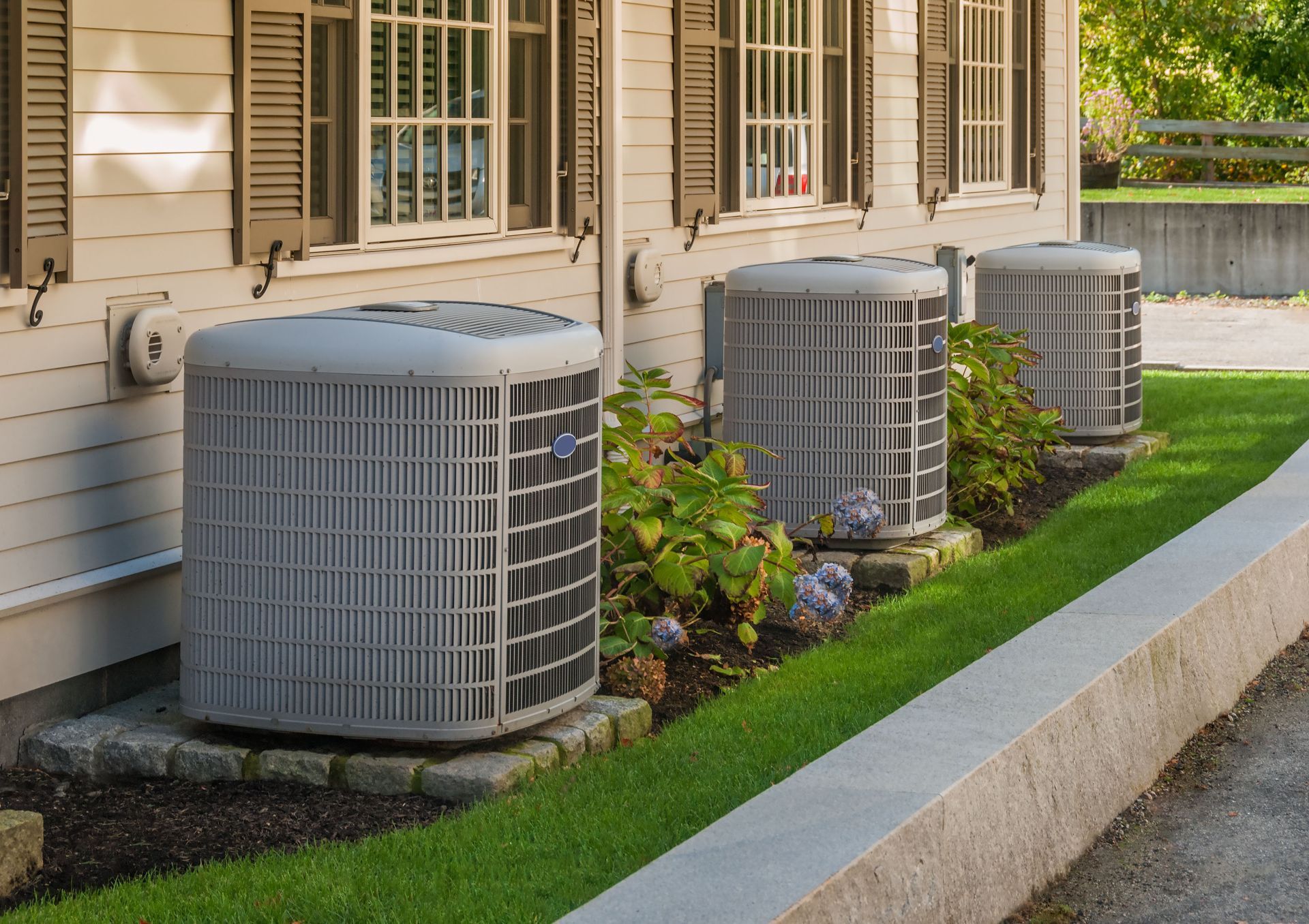
Homeowners play a crucial role in maintaining their HVAC systems through regular, simple upkeep tasks. This includes changing or cleaning air filters quarterly to ensure proper air circulation and reduce energy consumption. Another important task is to keep the area around the HVAC unit free of debris and obstructions. Regularly checking for signs of wear and tear can help identify problems early and prevent further damage. By staying proactive, homeowners can contribute to the overall health and efficiency of their HVAC systems.
How HVAC Companies Perform Maintenance Checks
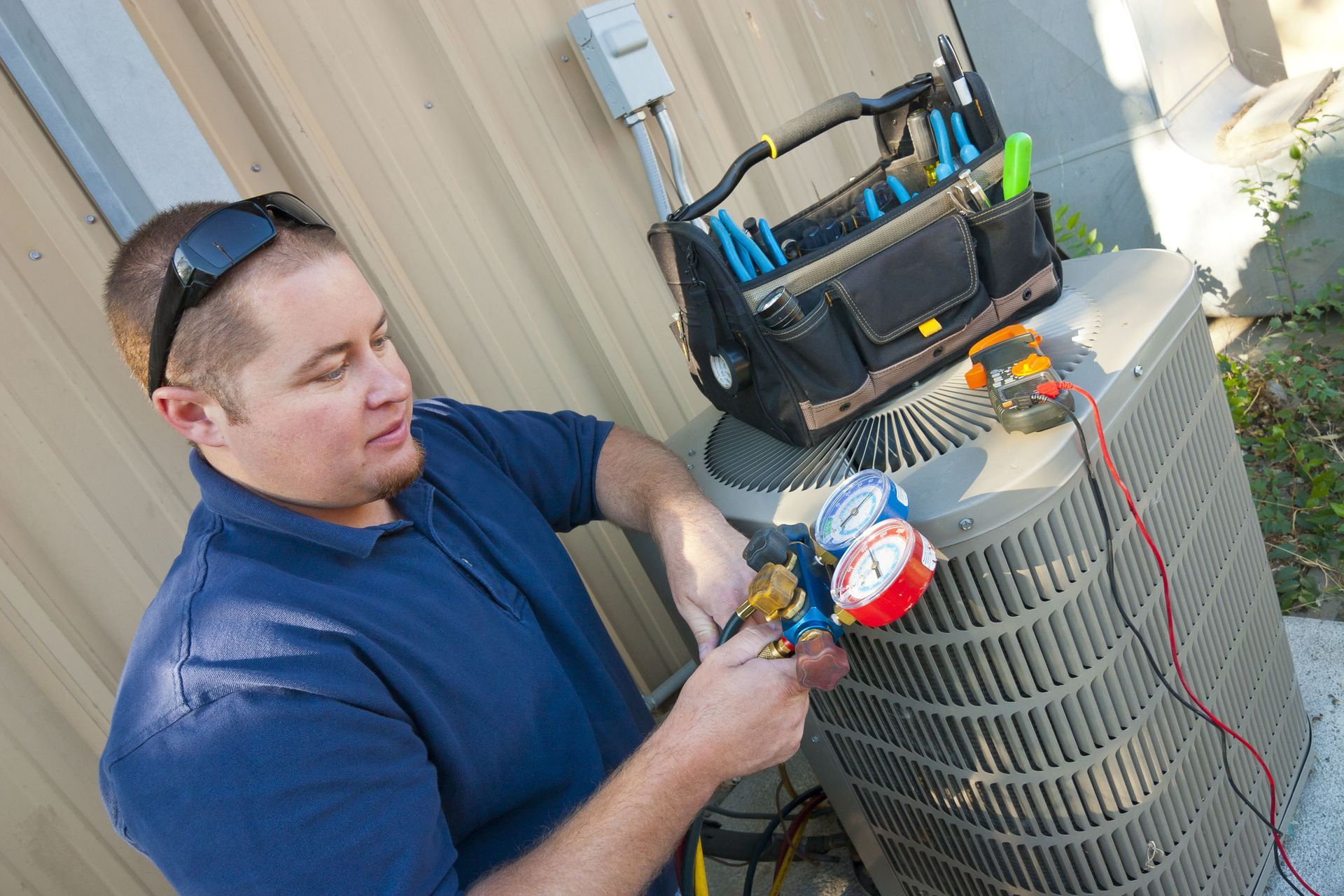
During maintenance checks, HVAC companies conduct a thorough review of the entire system to ensure optimal performance. This involves inspecting electrical connections, calibrating the thermostat, and checking the refrigerant levels to prevent energy inefficiencies. Technicians also clean coils and other components to improve system performance and air quality. By identifying potential issues early, they can address them before they escalate, saving homeowners from potentially costly repairs. This comprehensive maintenance process provided by HVAC companies is essential for ensuring operating efficiency and prolonging the life of HVAC systems.
Modernization and Upgrades
When to Consider an HVAC Upgrade
Replacing an outdated HVAC system can have significant benefits, particularly if the system is over 10-15 years old. Newer models feature advanced energy-efficient technologies that dramatically lower energy consumption. If repair costs are stacking up or system performance is declining, it might be time to consider an upgrade. Additionally, modifying energy standards and emissions regulations can make upgrading a necessary step for compliance. Engaging with HVAC professionals allows homeowners to understand when it's economically wise to upgrade, balancing cost savings and sustainable living.
Latest HVAC Technologies for Efficiency
Modern HVAC technologies are designed to maximize efficiency and minimize energy use. Variable speed compressors and motors, modulating heating units, and integrated smart thermostats are among the advancements available. These systems adapt to real-time weather conditions and usage patterns, ensuring optimal performance at all times. Energy-efficient components are also made from more sustainable materials, offering environmental benefits. By working with HVAC companies, homeowners can leverage these technologies to drastically cut energy consumption and costs.
The Financial Implications of Upgrading Your System
While upgrading an HVAC system demands a financial investment, the long-term benefits typically outweigh the initial expense. New systems boast improved energy ratings that can cut household energy bills significantly. Additionally, modernized systems generally require fewer repairs and are often covered by extended warranties. Many upgraded systems also qualify for tax incentives and rebates, further offsetting costs. Planning an upgrade with the guidance of HVAC professionals ensures that homeowners make informed, financially sound choices.
Smart Thermostat Integration
Benefits of Smart Thermostats
Smart thermostats offer homeowners the ability to monitor and adjust their HVAC systems remotely, optimizing energy use and improving comfort. With features like programmable schedules and learning algorithms, these devices adjust settings based on occupants' habits for real-time efficiency. The result is significant energy savings without sacrificing comfort. Studies indicate that proper use of smart thermostats can lower energy bills by up to 10-15%. These thermostats also provide valuable data on home energy consumption, empowering users to make informed decisions regarding their energy use.
How HVAC Companies Facilitate Smart Integrations
HVAC companies are pivotal in integrating smart thermostats with existing systems, ensuring seamless performance and compatibility. From selection to installation, technicians offer the expertise required to maximize the benefits of these advanced devices. They provide training and support to help homeowners understand and utilize thermostat features efficiently. Additionally, their knowledge of energy-efficient systems enhances system compatibility and performance. By partnering with HVAC professionals, homeowners ensure that smart technology is adequately aligned with their energy-saving goals.
Understanding Thermostat Features for Savings
Smart thermostats come equipped with multiple features intended to enhance savings and convenience. Geo-fencing enables the device to detect when the homeowner is away, adjusting temperatures accordingly to prevent energy waste. Energy use reports offer insights on how heating and cooling patterns affect energy consumption, suggesting potential areas for optimization. Some models also integrate with smart home systems like Alexa or Google Home for enhanced control and customization options. By understanding and utilizing these features, homeowners can further reduce their energy footprint.
Collaborating with HVAC companies is an effective strategy for lowering heating and cooling costs, improving home comfort, and achieving long-term financial benefits. These companies provide critical services such as energy efficiency solutions, system maintenance, modern technology integration, and financial planning. By leveraging their expertise, homeowners can embrace energy sustainability while ensuring optimal climate control at minimal cost. Significant cost reductions, increased property values, and enhanced comfort levels emphasize the compelling benefits of engaging with HVAC professionals. Ultimately, an energy-efficient home translates into both economic and environmental prosperity.
Take control of your home comfort and utility bills by scheduling a professional efficiency audit or maintenance check with Stewarts Heating & Cooling, LLC today.